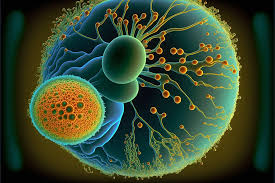
Stem Cell Overview and Definition: A Complete Guide
Stem cell research has become one of the most important advancements in modern medicine. It offers promising treatment possibilities for a wide range of diseases and injuries by using the body’s natural repair system. Understanding the stem cell overview and definition is essential for anyone interested in regenerative medicine and future healthcare innovations.
What Are Stem Cells?
Stem cells are special types of cells in the human body that have two key abilities:
- They can self-renew, meaning they can divide and create more stem cells.
- They can differentiate, meaning they can transform into different types of specialized cells such as blood cells, nerve cells, muscle cells, or skin cells.
Because of these abilities, stem cells act as a natural repair system for the body, helping replace damaged or worn-out tissues.
Basic Definition of Stem Cells
In simple terms, stem cells are undifferentiated biological cells that have the potential to develop into many different cell types. They serve as the foundation for growth, development, and tissue repair in living organisms.
This unique capability makes them extremely valuable in medical research and treatment, especially in regenerative medicine.
Types of Stem Cells
Stem cells are generally classified into several types based on their origin and potential:
1. Embryonic Stem Cells
These are derived from early-stage embryos and have the ability to become almost any cell type in the body.
2. Adult Stem Cells
Found in tissues like bone marrow and fat, these cells help maintain and repair the tissue where they are located.
3. Induced Pluripotent Stem Cells (iPSCs)
These are adult cells that have been reprogrammed to behave like embryonic stem cells.
How Stem Cells Work in the Body
Stem cells remain inactive until the body signals a need for repair. Once activated, they:
- Move to the area of damage
- Multiply rapidly
- Transform into the required cell type
- Support tissue healing and regeneration
This natural process is the foundation of many modern stem cell therapies.
Medical Importance of Stem Cells
Stem cells are widely used in medical research and treatment due to their regenerative abilities. They are being studied for conditions such as:
- Blood disorders
- Immune system diseases
- Neurological conditions
- Tissue injuries
Hospitals and research centers around the world are exploring stem cell-based therapies to improve patient outcomes and recovery processes.
For advanced regenerative treatments and medical insights, you can explore Liv Hospital.
Stem Cell Research and Applications
Modern medicine continues to expand the use of stem cells in:
- Bone marrow transplantation
- Tissue engineering
- Regenerative therapies
- Personalized medicine
One important clinical area where stem cells are being studied is graft-related complications and immune response conditions. You can learn more about this specific application here:
Stem Cell Overview and Definition
Advantages of Stem Cell Therapy
Stem cell therapy offers several potential benefits, including:
- Faster tissue repair
- Reduced inflammation
- Improved healing in chronic conditions
- Reduced need for invasive surgery (in some cases)
However, many treatments are still under research and require further clinical validation.
Challenges and Ethical Considerations
Despite their promise, stem cell therapies also face challenges such as:
- Ethical concerns (especially with embryonic stem cells)
- High treatment costs
- Risk of immune rejection
- Limited availability of fully approved treatments
Ongoing research aims to address these challenges and improve safety and effectiveness.
Conclusion
The stem cell overview and definition highlights how these unique cells play a crucial role in growth, healing, and regenerative medicine. With continued research, stem cell technology has the potential to transform the future of healthcare by offering new solutions for previously untreatable conditions.
As science advances, stem cell therapy may become a key part of personalized and regenerative medical treatments worldwide.